Cases / Enterprise Simulation · 2018 – 2021
From VRweCare to ImmerseMe: Finding the Product Model Behind a VR Idea
A VR product for patients and waiting rooms: MVP, first client, discovery that showed the buyer's cost problem, and two pivots to a B2B model.
Context
While working with clients in the Middle East on outsourcing projects, we noticed that VR was still new to many people there. That became the hypothesis: VR can distract patients from pain and anxiety during medical procedures, and in a market where the technology is still a novelty the wow effect is stronger. The target market was the Middle East on purpose.
The product started under the name VRweCare. It is now ImmerseMe.
My role
I was the product owner and also the project manager for both the platform and the content. I wrote and owned the roadmap, ran development and content production, and carried the product from the first MVP to the first client, including the pitch and, after the first deal, discovery with the people who actually use it. The goal was not a finished platform. It was a small product that was good enough to earn a first client, whose feedback would then decide what to build for everyone else.
What I did
- Roadmap and delivery. I wrote the roadmap and managed delivery of both the platform and the content as project manager. Priorities were set with input from Jasoren's CEO.
- Smallest sellable MVP. A headset with a small content set, built only to be shown. No platform features before there was a client to ask.
- Pitching for the first client. Ten presentations and demos to clinics before the first one signed.
- Discovery inside the client. About 20 interviews with patients and doctors in the client clinic, not a survey from a distance.
- Reading the result honestly. Patients loved it. The clinics did not: they had to assign a person to look after the equipment and pay rent for the devices. Delight on the patient side did not remove cost on the buyer's side.
- Pivot A: sell to patients. The company reframed the idea as a SaaS service for patients. It did not solve the real problem, because the devices still had to be controlled during and after use. About four months went into this attempt.
- Pivot B: back to B2B, wider audience. We returned to selling to businesses, but changed the use case: entertainment for anyone who has to wait and has nothing to do. That opens hotels, automotive service, aviation lounges and senior care, not only clinics. This second attempt also took about four months.
Result
- A first client won after ten presentations, using an MVP with a small content set.
- Two pivots of about four months each, driven by evidence from users and the buyer, not by opinion. The pivot decisions were made and approved by Jasoren's CEO.
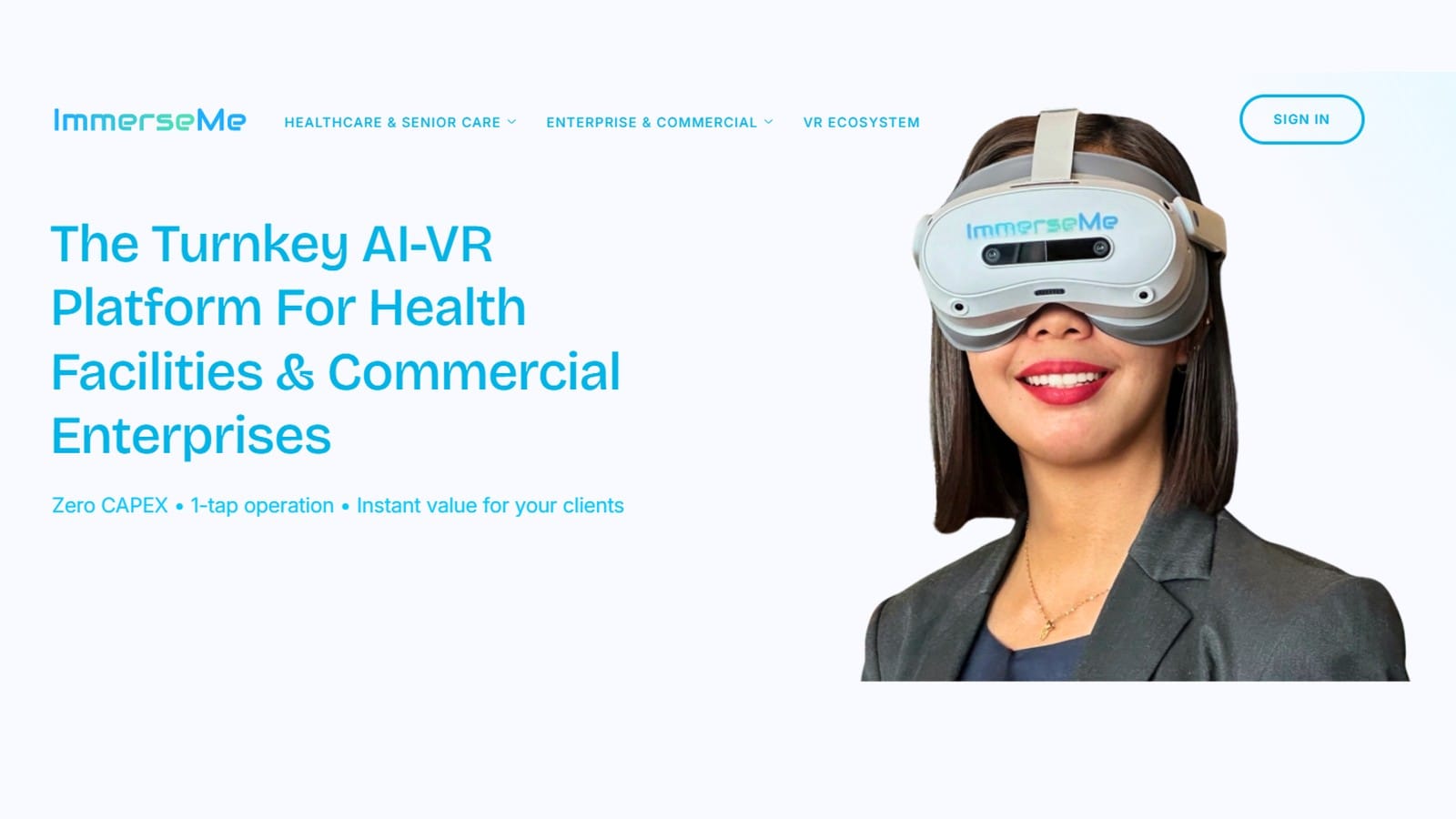
- A product that today is sold to businesses as an annual licence where the provider supplies and supports the devices, so the customer does not need to own or manage hardware. This is the offer on the public site.
- The product reached three hospitals. Usage and commercial figures are covered by a mutual NDA and I am glad to discuss what I can in an interview.
What I would take from this
- A buyer and a user are different people, and the buyer's cost has to be zero or visible. A product that delights users can still fail if it adds work for the person who pays.
- Moving the product from patients to a SaaS looked like a quick fix. The device-control problem would have followed it anywhere, so the problem had to be solved in the operating model, not in the pricing page.
- Use-case breadth is a cheap way to test demand. The same hardware and content were repositioned at several audiences without rebuilding the product.